To celebrate the National Year of Reading and my books of the year since my early reading life, I bring this up to date. Here are the 2020s.
(more…)Welcome to my blog
-
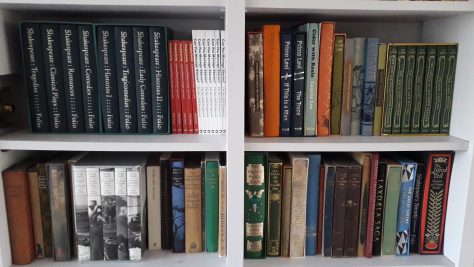
My reading life, 2010s
To celebrate the National Year of Reading, here are my books of the year from the 2010s as I continued my 2-books-a-week commuting life.
(more…) -
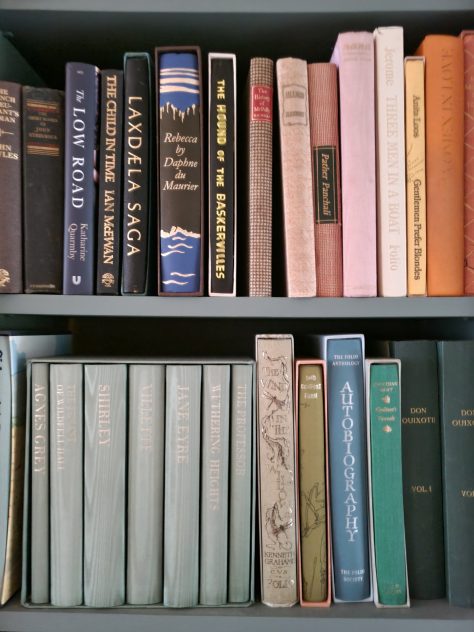
My reading life, 2000s
I remember my Brighton Library card had an expiry date of 2000. This sounded like an impossibly science fiction time. I would be 37!
(more…) -
My reading life as a commuter 1992 to 1999
I cannot travel on a train without a book. I used to commute 3 hours a day, 5 days a week. This meant I read about 2 books a week. The last time I was on a train, I looked down the compartment and nobody was reading a physical book. Perhaps some were reading on their phones but their expressions suggested otherwise. For me, a book is a refuge and a time machine.
(more…) -
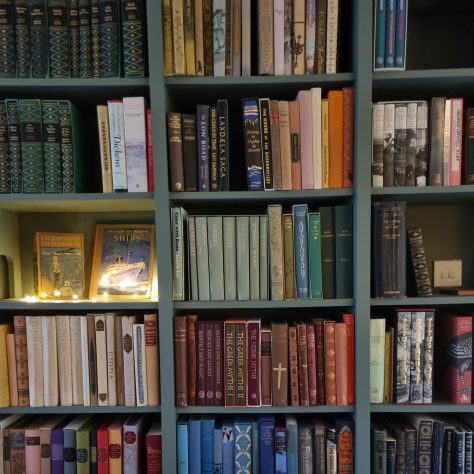
My reading life as a book reviewer, 1985 to 1992
When I left university, I thought, “Great. I will never have to read what other people want me to read.”
No more Walter Scott’s Waverley and no need to finish Nostromo.
Life is too short to finish books you are not enjoying.
Then I started Shelf Life, a book section on Channel 4’s teletext service, created with the sole purpose of allowing me to get free books.
(more…) -
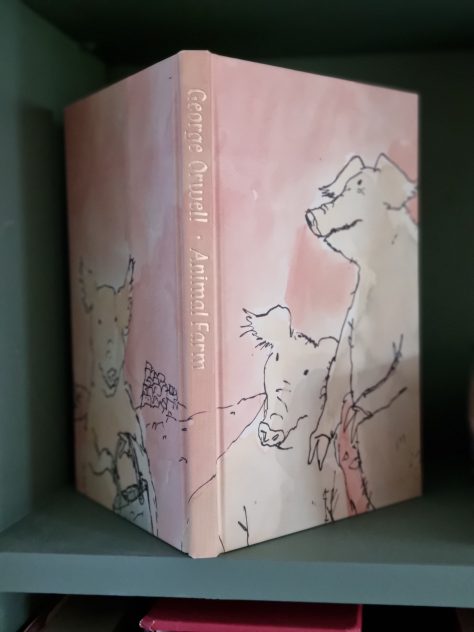
My reading life as a student, 1978 to 1985
In this series of posts, I am reviewing my reading life (not my Reading life).
Since my early reading life, I have kept a list of nearly 1,500 books I’ve read since 1978. Each year, I choose my book of the year.
At roughly 25 books a year with an average life expectancy, I might read another 425 books.
What must I read before I go to the library in the sky?
(more…) -

My early reading life
On Friday afternoons at Middle Street School, our headmaster would smoke his pipe and do a general knowledge quiz with us.
I liked the sweet smell of his pipe smoke (this was the 1970s) and of success: I was good at quizzes.
“It’s not fair, Miss. Alex has got books!” complained a classmate to our teacher.
(more…) -
Interview with William Horwood on Skallagrigg
William Horwood is probably best known for his Duncton Wood books. But for me, his novel Skallagrigg, based on his experiences as a father of a child with cerebral palsy, is his masterpiece.
(more…)It gets the most regular and deepest and most moving correspondence. It was the book I was most pleased to write. Skallagrigg is different; I feel it’s an important subject.
-
The changing language of disability
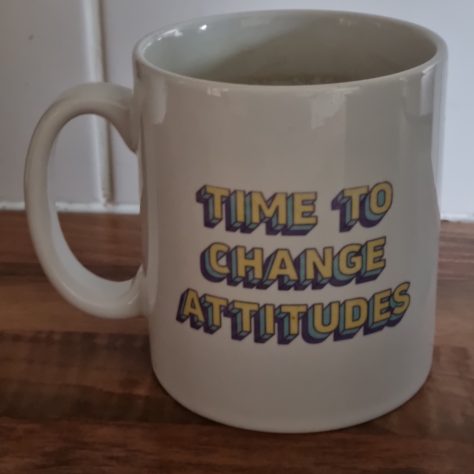
I was once introduced at a webinar as “Alex White who has been talking about the language of disability before it was fashionable.” By which they meant until the webinar made it so!
Fashionable or not, I believe that words matter, but language changes all the time.
(more…) -
World Cerebral Palsy Day: a people’s history of CP
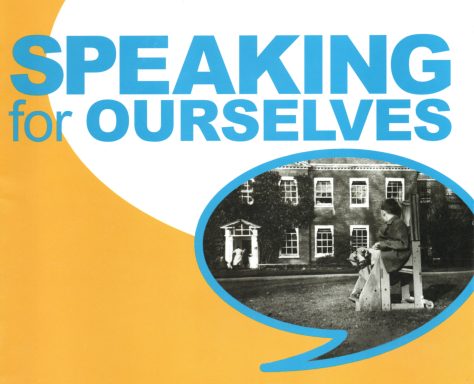
When I joined Scope’s disabled graduate scheme in November 1994, I knew very little about cerebral palsy.
I joined the UK disability charity at a historic time, the Monday after it changed from The Spastics Society to Scope.
Early on, I met Bernard, an older man with cerebral palsy who was looking for help to write his life story. From my work for the York Oral History Project, I knew the power of oral testimony. This encounter with Bernard made me realise how important is it that history hears disabled people’s voices.
(more…)

